
International trade is associated with elaborate logistics plans where specific responsibilities between buyers and sellers must be clearly understood. The term Carriage Paid To (CPT), an essential international trade term, remains one of the most critical notions of global trading in 2025. It is an Incoterm used to specify the obligations of both sides of a deal. This comprehensive guide discusses everything businesses need to know about CPT terms to navigate the modern international trade landscape effectively.
Understanding Carriage Paid To (CPT) Basics

One of the eleven Incoterms rules established by the International Chamber of Commerce (ICC) and currently governing trade in 2025 is Carriage Paid To (CPT). On the basis of CPT, the seller takes charge to organize and pay for the transportation of goods to a specified named place of destination. However, the risk of loss or damage transfers to the buyer as soon as the seller hands the goods over to the first carrier. This creates a critical distinction between cost responsibility and risk transfer.
This setup makes CPT highly favorable for businesses that wish to secure fixed shipping prices while maintaining a balanced distribution of risk. Logistics are coordinated by the seller, ensuring the transportation process is managed professionally, whereas the buyer bears the risk once goods enter the transit network. Understanding this principle is vital for participants in international business, in accordance with the standard CPT rules.
The CPT term is applicable to any mode of transport, including multimodal transport systems, making it versatile for various shipping conditions in 2025. CPT offers a standardized framework that counterparts can apply whether goods are transported by air, sea, rail, or road. This flexibility has cemented CPT’s popularity in contemporary international trade. If you are shipping via ocean, it is crucial to understand the difference between FCL and LCL Sea Freight.
Key Responsibilities Under CPT Terms

Under Carriage Paid To, the seller faces significant logistic obligations. They must contract for transport, pay freight fees, cover export fees to the nominated destination, and undertake the export clearance process. The seller is also responsible for the issuance of commercial invoices, packing lists, and transport documents to enable the buyer to accept the delivery of goods.
The major duties of the buyer include the clearance of imports, payment of import duties and taxes, and arranging insurance at their own option. Since risk transfers early in the process, buyers often prefer to obtain extensive insurance cover to guard their interests during transport. The buyer must also be ready to receive the goods at the agreed named place of destination.

Under the terms of CPT, communication between parties is vital. The seller should provide sufficient advance notice of shipment terms, anticipated arrival, and required documentation. Meanwhile, the buyer must ensure they are prepared with correct import clearance documents to receive goods immediately upon arrival. Effective communication in 2025 utilizes digital tracking to eliminate wasted time and extra expenses, facilitating smoother insurance arrangements.
Both sides gain clarity by understanding their specific obligations. Any misunderstanding regarding duties may cause conflict, extra costs, and damaged business relations. Specific requirements or departures from standard CPT terms should be clearly described when negotiating a CPT agreement.
Risk Transfer in CPT Arrangements

The most important aspect of CPT terms is the precise moment when risk transfers from the seller to the buyer. CPT separates risk transfer and cost transfer, unlike some other Incoterms where they shift simultaneously. Risk passes upon the delivery of goods to the first carrier, yet the seller pays the cost of transport up to the named destination.
This represents an early risk transfer, meaning buyers must look keenly at insurance options. Although sellers cover freight costs, they do not pay for insurance. To guarantee complete coverage during the journey, especially for high-value goods or specialized cargo, buyers typically acquire additional protection cover. This is particularly important for High-Volume Ocean Shipping where risks are magnified.
Determining the exact point of risk transfer allows both sides to prepare properly. Before transferring goods to carriers, sellers must ensure goods are well-packaged and documented. Buyers must be fully aware that they assume responsibility for loss or damage in transit, even though they have not paid the direct transportation charges to the carrier.
The risk transfer mechanism in CPT reflects the reality of international shipping. Once goods leave the seller’s control, they are subject to factors within the global transport network. This risk-sharing model encourages buyers to take proper protective measures while the seller utilizes their core competencies in arranging logistics.

Risk transfer mechanism in the term of CPT is informed by the reality of international shipping. When goods are out of the control of the seller in the transport network, it is subject to a lot of factors beyond the control of the seller and this impacts on the shipment. This type of risk sharing makes the buyers become more interested in taking proper measures of protection whilst the seller assumes core competencies.
CPT vs Other Incoterms Comparison
CPT differs significantly from other widely used Incoterms such as FOB, CIF and DDP.
CPT vs FOB (Free on Board): FOB risk transfer occurs when goods are loaded on board the vessel at the shipment port. In contrast, under CPT, risk transfers when goods are handed to the first carrier, which might be at the seller’s premises or a warehouse pickup point. This difference is significant for inland transport logistics where the seller pays freight charges.

CPT vs CIF (Cost, Insurance, and Freight): In CIF, the seller must provide minimum insurance cover. Under CPT, the seller has no obligation to provide insurance; the buyer decides on insurance coverage. This flexibility allows buyers in 2025 to select insurance that suits their exact risk appetite, particularly when dealing with air freight carriers or complex multimodal routes. For a practical example of how CIF works in furniture logistics, read our case study on CIF FCL Shipping from Shenzhen to Jakarta.
CPT vs DDP (Delivered Duty Paid): DDP is the opposite of CPT regarding risk and duty. Under DDP, the seller bears all risks and costs (including import duties) until goods are delivered to the buyer’s premises. CPT offers a compromise: it provides price certainty on freight without subjecting the seller to the complexities of import procedures in the destination country.

Businesses select the best-suited Incoterm based on these differences. CPT is appropriate when the seller has strong logistics networks but lacks expertise in the destination country’s import procedures, while the buyer wants control over import clearance and insurance.
Documentation Requirements for CPT in 2025

Successful CPT transactions require precise documentation. Sellers must supply commercial invoices detailing what is being sold, quantities, and agreed prices. Packing lists determine shipment contents, while transport documents (such as the Bill of Lading or Air Waybill) prove that goods have been delivered to carriers according to CPT terms.
Export documentation requirements depend on the country of origin and product category, usually including export licenses, certificates of origin, and customs declarations. Sellers must ensure all export requirements are settled before goods move. Failure to present necessary documentation can lead to shipment delays, extra expenses, or freight seizure.
Upon arrival, buyers require import documentation, including import licenses, permits for restricted items, and customs clearance documents. Availability of correct documentation saves time and avoids demurrage charges at destination ports. To understand the full clearance process, check our Step-by-Step Guide for Importing to Indonesia.
2025 Update: International trade now heavily utilizes electronic documentation systems (e-Docs) and blockchain verification, which are faster and reduce transcription errors. Most logistics companies, including GWT Worldwide, provide digital platforms to streamline documentation, making CPT transactions simpler for both sides.
Insurance Considerations Under CPT

Insurance is crucial in CPT arrangements because the buyer bears the risk from the moment goods are handed to the carrier. Although sellers are not required to provide insurance under CPT, buyers must consider their coverage critically. Standard carrier liability is usually insufficient to cover full losses.
Broad coverage cargo insurance typically protects against physical loss or damage during transit, theft, collision, natural disasters, or General Average in marine transport. Buyers are advised to engage skilled insurance brokers to receive sufficient cover corresponding to the specific risks of their cargo and routes.
The timing of insurance cover is vital. Since risk transfers at the “first carrier,” insurance should be active from that point until the goods reach the final destination. Lapses in coverage can result in major financial losses.
Some buyers purchase annual insurance policies for multiple shipments, while others insure on a transactional basis. The choice depends on shipping volume, cargo value, and risk aversion. Professional logistics providers can advise on proper insurance plans suitable for the 2025 market.
Cost Structure in CPT Transactions
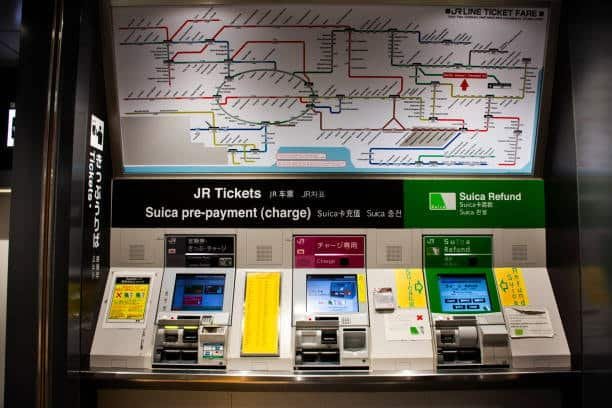
CPT pricing systems offer transparency and predictability. All transportation costs to the specified destination are paid by the seller, including primary carriage, handling charges, and intermediate transportation. This structure enables buyers to budget effectively as transport expenses are fixed.
However, buyers must plan for:
- Import duties and taxes.
- Terminal handling charges (THC) at destination.
- Customs clearance fees.
- Onward transport costs from the named place of destination to their own warehouse.
Understanding the overall landed cost enables buyers to make the right purchasing decisions while sustaining competitive pricing. Currency volatility can affect CPT arrangements, especially in long-term contracts. Parties often include currency adjustment factors or lock exchange rates.
Hidden Costs Warning: Costs may arise if parties fail to clearly define the “named destination.” Buyers must know exactly what is covered in the seller’s freight package and what expenses apply upon arrival.
Common Challenges and Solutions
- Communication Failures: A widespread complication in CPT agreements. Sellers may be vague about freight specifics, and buyers may not be ready to receive goods.
Solution: Defined communication protocols and real-time tracking integration eliminate most problems.
- Inaccurate Documentation: Can lead to customs detention and warehousing costs.
Solution: Both sides must carry out stringent digital document reviews and maintain backups of all vital paperwork.
- Wrong Mode of Transport: Selecting inefficient routes affects delivery schedules.
Solution: Sellers should engage logistics companies vast experience in efficient routing for specific cargo types.
- Insurance Claims: Disputes arise when losses occur during transit.
Solution: Clear coverage terms and claim processes solve problems quickly. Always deal with high-reputation insurance companies.
Best Practices for CPT Implementation in 2025

To achieve successful CPT implementation, planning and clear communication are paramount.
Partner Selection: Sellers must collaborate with well-established logistics companies that understand the destination market and established means of transport.
Precise Definitions: The named destination and delivery instructions must be clearly stated in the contract negotiation. Vague descriptions cause controversies.
Proactive Updates: Constant communication allows for identifying issues early. Sellers should provide tracking details; buyers should communicate changes in requirements beforehand.
Digital Management: Use documentation management systems to ensure paperwork is ready whenever needed. Digital systems in 2025 are faster, accurate, and easily accessible.
Legal Implications of CPT Terms
CPT terms have legal connotations that must be perceived correctly by both parties. Incoterms rules enter sales agreements and gain legal status regarding duties. Abandoning CPT requirements may lead to breach of contract cases and financial liability.
It is crucial to determine the jurisdiction and dispute resolution mechanisms covering the transaction. International transactions often involve multiple legal systems regarding export requirements.
Both parties should know about liability limitations. Although sellers pay transportation expenses, their liability normally stops at the point of delivery to the third-party carrier. Buyers must ensure they are sufficiently protected via insurance or carrier responsibility clauses. For complex arrangements, competent international trade lawyers should be consulted.
Technology and CPT in Modern Trade
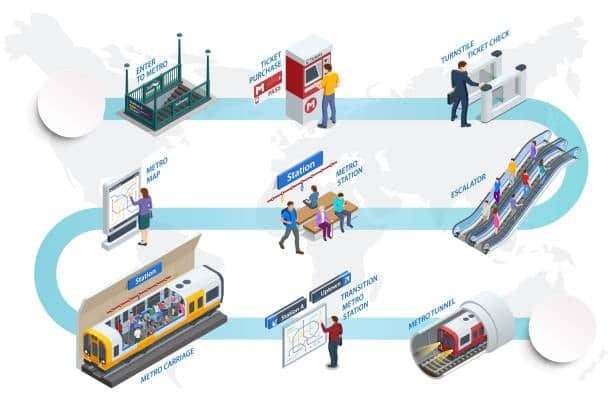
Digital transformation is revolutionizing CPT applications through advanced tracking, communication, and documentation systems.
Real-Time Tracking: IoT devices allow both parties to see progress and prepare for difficulties.
EDI Systems: Electronic Data Interchange simplifies documentation and reduces manual errors, ensuring faster customs clearance.
Blockchain: In 2025, blockchain is increasingly used to secure transparent documentation management, offering immutable records of CPT transactions to increase trust.
AI and Machine Learning: These technologies optimize routing choices, estimate delays, and enhance supply chain effectiveness, allowing logistics providers to offer superior CPT services.
Industry-Specific CPT Applications
Various industries have different necessities influencing CPT execution:
Manufacturing: CPT is frequently applied for raw materials and components. Manufacturers benefit from suppliers with logistics experience managing the flow of goods.
Retail: CPT is commonly used for imported finished goods. It gives retailers control over import duties and custom procedures while utilizing the supplier’s shipping networks. For online sellers, CPT can be adapted into broader strategies like E-commerce Logistics in Indonesia.
High-Tech: Time-sensitive industries utilize CPT contracts incorporating expedited transportation to balance cost and speed for short lifecycle products.
Agriculture: Agricultural exporters use CPT terms due to special transportation needs (cold chain) for perishable goods. The seller’s knowledge of handling and temperature maintenance is crucial.
Future Trends in CPT Usage
CPT implementations are evolving in 2025, influenced heavily by environmental concerns and sustainability.
Green Logistics: Businesses are seeking carbon-neutral shipping and fuel-efficient transportation lines. Sustainability is now a key consideration in carrier selection under CPT.
Automation: Automation within logistics processes is transforming how CPT arrangements are handled. Automated sorting, robotic warehouses, and autonomous vehicles are raising efficiency and minimizing expenses in transport networks.
Regulatory Compliance: Growing complexity in international trade regulations impacts CPT documentation. Businesses must keep up to date with evolving regulations in both origin and destination countries.
Regional Trade Agreements: New economic zones with streamlined customs processes are making CPT terms even more appealing to businesses looking to reduce trade barriers.
Conclusion
The terms of Carriage Paid To (CPT) provide a level road towards international trade that incorporates both predictability of cost and fair risk assumptions. Sellers enjoy control over transportation while risk shifts at the right stage of the logistics chain. Buyers achieve certainty on freight rates while maintaining control over the importation process and insurance. CPT is most successful when communication is clear, documentation is precise, and companies select logistic partners who have deep experience in international trade.

Thank you for reading!
Have questions, corrections, or better ideas? We’d love to hear from you!
We value every piece of feedback and promise to reply within 24 hours. Let's make this guide better together!
Note: Spam comments will not be published.