著者: GWT Team / Updated: Feb 4, 2026 / 3 min read
Introduction
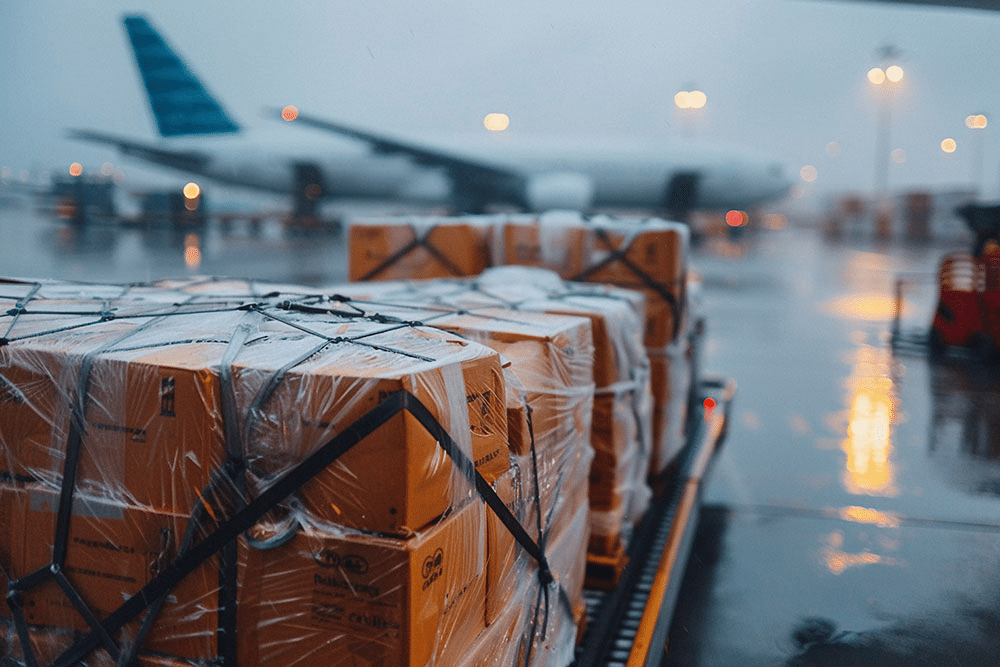
Air freight is one of the fastest and most reliable shipping solutions for businesses trading between China and Malaysia. Whether you are an e-commerce seller, a manufacturer, or a wholesale importer, air freight provides speed, flexibility, and reliability.
This article explores the cost, transit time, and shipping process of air freight from China to Malaysia, helping importers make informed decisions.
Why Choose Air Freight?
Air freight offers several advantages compared to 海貨物 and express courier services:
- Speed: Goods can arrive in Malaysia within 1–4 days, depending on the route and service level.
- Reliability: Airlines maintain fixed schedules, reducing delays.
- Security: High-value and sensitive cargo such as electronics or pharmaceuticals are well protected.
- Global Connectivity: Major airports in China connect directly with Kuala Lumpur, Penang, and other Malaysian hubs.
Major Airports in China and Malaysia
- Airports in China:
- Beijing Capital International (PEK)
- Shanghai Pudong International (PVG)
- Guangzhou Baiyun International (CAN)
- Shenzhen Bao’an International (SZX)
- Hong Kong International (HKG) – often used for re-export
- Airports in Malaysia:
- Kuala Lumpur International Airport (KUL) – primary cargo hub
- Penang International Airport (PEN) – northern Malaysia
- Senai International Airport (JHB) – southern Malaysia
- Kuching (KCH) and Kota Kinabalu (BKI) – serving East Malaysia
Transit Time of Air Freight
- Direct Flights: 1–2 days from China to Malaysia.
- Indirect Flights (with transit): 3–5 days, depending on routes.
- ドア・ツー・ドア Air Freight (including customs): 5–7 days.
Example:
A shipment from Shanghai to Kuala Lumpur via direct flight can be completed in 24–48 hours if customs clearance is smooth.
Air Freight Cost from China to Malaysia
Air freight rates depend on several factors:
- Chargeable Weight: Airlines charge based on actual weight (kg) or volumetric weight (CBM converted), whichever is higher.
- Formula: (Length × Width × Height) / 6000 = Volumetric Weight (kg).
- サービス種別: Airport-to-airport vs. door-to-door.
- Cargo Type: General cargo, dangerous goods, perishable items.
- Fuel & Security Surcharges: Variable based on airline and season.
Typical Rates:
- General cargo: $4–$8 per kg (subject to market changes).
- Express air courier (DHL, FedEx, UPS): higher at $8–$15 per kg.
Documentation Required
To ship goods by air freight from China to Malaysia, importers need:
- Commercial Invoice – detailing product value and buyer/seller info.
- Packing List – listing cargo dimensions and packaging.
- Air Waybill (AWB) – official document issued by the airline.
- Certificate of Origin (if required) – for preferential tariffs under trade agreements.
- Import Permits (for restricted items) – electronics, medical supplies, cosmetics, etc.
Customs Clearance in Malaysia
All air shipments must be declared to Malaysian Customs.
- HS Code Classification: Determines duties and taxes.
- Import Duties: Varies by product type (0–30%).
- Sales & Service Tax (SST): 5%–10% for certain goods.
- DDP Option: Freight forwarders can handle customs clearance and duties on behalf of importers.
The Air Freight Shipping Process
- Booking with a Freight Forwarder – choose airport-to-airport or door-to-door.
- Cargo Preparation – packaging, labeling, palletizing.
- Export Customs Clearance in China – filing documentation.
- Airline Handling – cargo loaded onto aircraft.
- Arrival in Malaysia – unloading and customs inspection.
- Import Customs Clearance – duties and taxes payment.
- 最終配送 – goods transported to consignee’s address.
When to Choose Air Freight?
Air freight is recommended for:
- Shipments under 300–500 kg where speed is essential.
- High-value products such as smartphones, laptops, medical equipment.
- Time-sensitive cargo like fashion goods or seasonal items.
- Perishable products requiring quick delivery.
For larger volumes (1–10 tons), sea freight is usually more economical.
Tips to Reduce Air Freight Costs
- Consolidate Shipments: Group multiple small shipments into one.
- Optimize Packaging: Avoid excess volumetric weight.
- Book in Advance: Rates rise during peak seasons (before Chinese New Year, Ramadan, Christmas).
- Work with Experienced Forwarders: Ensure smooth customs clearance and lower risk of delays.
Case Example
A Malaysian e-commerce retailer importing electronics from Shenzhen used to ship via express couriers, paying $9–$12 per kg. After switching to consolidated air freight through a freight forwarder, costs dropped to $5.5 per kg, saving 30% annually while maintaining delivery times under 4 days.
結論
Air freight from China to Malaysia is a fast and secure logistics solution, ideal for businesses dealing with high-value or time-sensitive goods. While costs are higher than sea freight, the reduced transit time often justifies the expense.
By carefully balancing cost, transit time, and shipping process, and working with a reliable freight forwarder, importers can optimize supply chains and gain a competitive edge in Malaysia’s growing market.