
Indonesia Customs “Red Line” (Jalur Merah): The 2025 Survival Guide for Importers
By Guanwutong / December 10, 2025
Table of Content
“My cargo is stuck in Tanjung Priok. The status is Jalur Merah (Red Line). What do I do?”
If I had a dollar for every time a client called me in a panic with this sentence, I’d be retired on a beach in Bali by now. But seriously, if you are a forwarder china to indonesia or an importer, the “Red Line” is the stuff of nightmares. It means your container is pulled aside, opened up, and inspected piece by piece. It means delays of 7 to 14 days. It means storage fees that eat your profit alive.
But here is the truth that most “budget” forwarders won’t tell you: Red Line isn’t bad luck. It’s usually a bad mistake in paperwork. We see this constantly when importers mistakenly treat commercial shipments like simple parcels, a costly mismatch we analyze in our J&T Cargo vs. Shenzhen Forwarder cost guide.
At GWT, we don’t just move boxes; we offer high-end supply chain services. We are a general taxpayer (General Taxpayer status) with full import/export qualifications. Today, I’m going to share the insider secrets—specifically about Form E and product descriptions—that we use to keep our clients in the Green Lane.
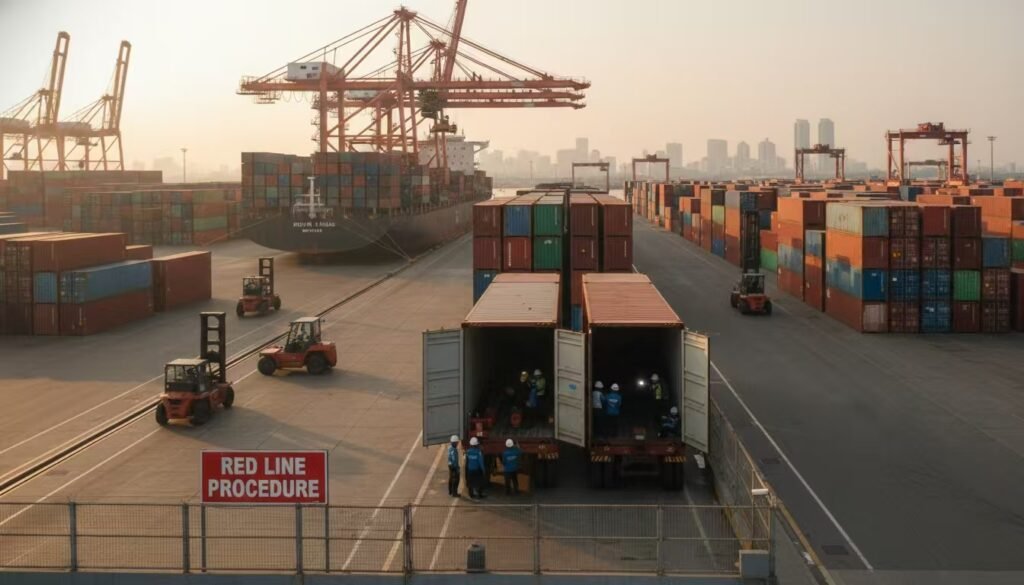
1. The “Vague Description” Trap: Don’t Be Lazy!
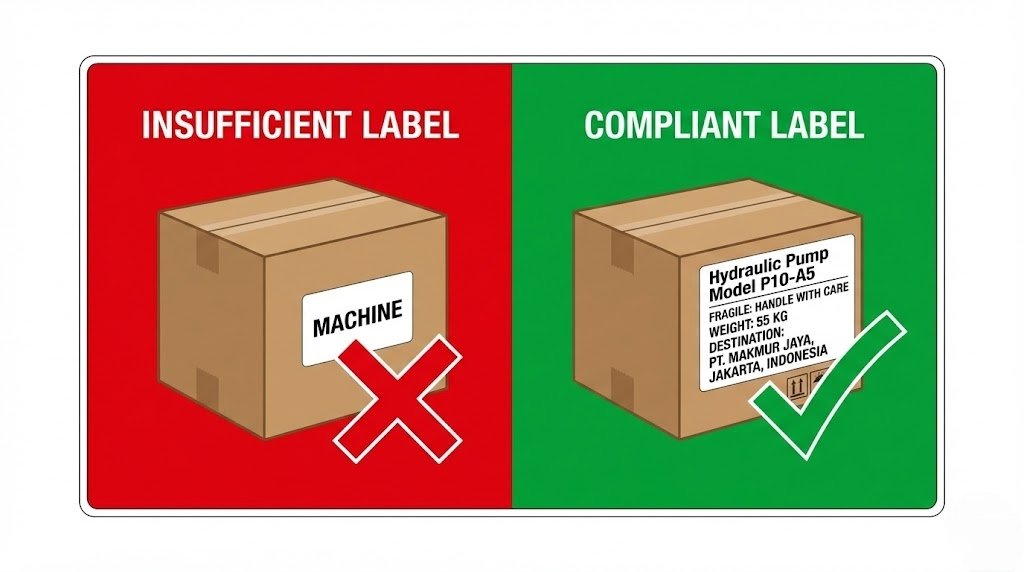
Let’s start with the most common error: Laziness on the Commercial Invoice.
Indonesia customs officers are suspicious by nature. If they see a generic word on your invoice, they assume you are hiding something high-tax.
In China, we might be used to writing simple descriptions. But in Indonesia? Absolutely not.
Don’t write: “Machine”
Don’t write: “Garment”
Don’t write: “Goods”
If you write “Machine,” the customs officer asks: “What machine? Is it a used machine (which is restricted)? Is it a gambling machine?” Bam! Red Line.
Real World Example: We recently handled a case of 30x20GP Resin Chips Export Xiamen to Indonesia. The factory initially just wanted to write “Resin.” We stopped them immediately. “Resin” is too vague. It could be hazardous. It could be restricted.
We forced them to list the Model, Manufacturer Name, and Specific Chemical Composition. Because we did this, the 30 containers sailed through customs while others were stuck.
The Lesson: Be specific. If you are shipping furniture China to Bali, for example, never just write “Furniture.” You must list materials detailed down to the wood type to satisfy customs.
2. The “Routing” Trap: Hong Kong Can Kill Your Form E
This is a classic rookie mistake. You want to save $50, so you book a ship that transships via Hong Kong.
Here is the problem: Indonesia and China have a Free Trade Agreement (ACFTA). Hong Kong is NOT part of it.
If your goods go China -> Hong Kong -> Jakarta, and you don’t have the right paperwork, your Form E (Certificate of Origin) becomes toilet paper. The customs officer will say: “How do I know you didn’t swap the goods in Hong Kong?”
GWT’s Professional Advice:
Book Direct: We always advise clients to book direct vessels to Jakarta or Surabaya to ensure the 0% tax benefit remains valid.
The “Non-Manipulation” Solution: If you must go through HK (maybe for consolidation), we know the fix. We apply for a “Non-Manipulation Certificate” from the China Inspection Company (CIC) in Hong Kong.
HK Logistics Power: GWT started with China-HK logistics. We have our own fleet of trucks (ton trucks, container trucks, flatbeds). We know HK transit rules better than anyone.
This kind of routing decision often looks minor at the booking stage, but it is exactly why delays happen and how supply chain risks escalate into a crisis if not managed early
3. The “Third-Party” Headache: Protecting Your Supplier Secrets
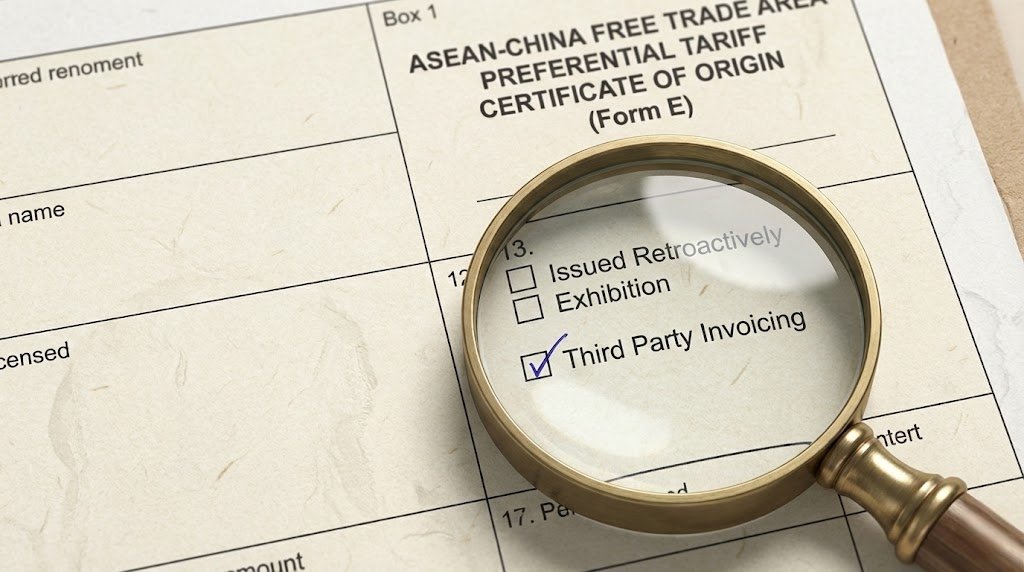
Many of our clients are middlemen. You buy from a factory in Shenzhen, but you sell to a client in Surabaya. You don’t want the Surabaya client to know the factory’s name.
So, you need Third-Party Invoicing.
This is where 90% of clearing and forwarding companies fail. They mess up the Form E. To do this legally in Indonesia:
Box 13: You MUST tick “Third Party Invoicing”.
Box 7: You MUST declare the third-party company name and address (your company).
FOB Values: The value on the Form E must match your invoice to the client, not the factory invoice.
If you miss one checkmark, the Form E is rejected, your client pays 15% duty instead of 0%, and they never buy from you again. Don’t risk it.
Meet problems? Welcome to reach out us for a quick, free chat.
We don’t just quote prices; we’ll help you pick the strategy that actually works best for your specific goods.
4. Dangerous Goods? You Need a Specialist
Shipping standard goods is easy. But what about PET chips or chemicals?
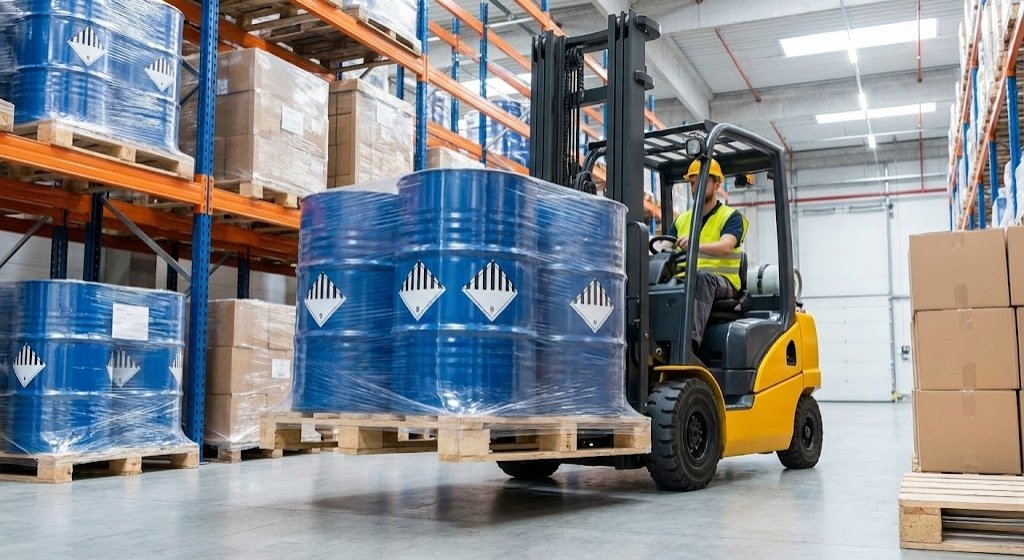
If you are looking for a dangerous goods freight forwarder, you need to be careful. Indonesia requires MSDS, and sometimes specific import permits (PI) for chemicals. We have extensive experience handling Class 6, Class 8, and Class 9 goods. We know exactly which shipping lines (like OOCL or KMTC) accept DG cargo to Jakarta.
5. GWT’s “Unfair” Advantage: Supply Chain Finance & Import Agency
Maybe you are thinking, “I just want to buy goods, I don’t have an Import License (API) in Indonesia.”
We have the solution. GWT is not just a forwarder; we are a supply chain partner.
Import Agency Service: We can act as the importer of record. We handle the customs, pay the duty, and deliver to your door. You don’t need a license.
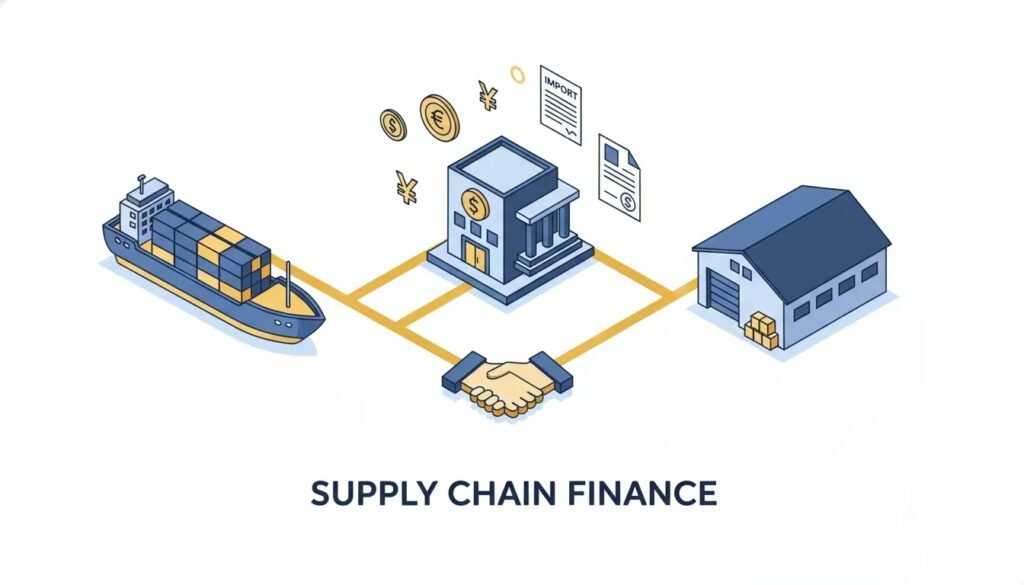
Supply Chain Finance: Short on cash? We have strong relationships with major state-owned banks. We can provide Letter of Credit (L/C) financing services up to 10 million RMB. We help you pay the factory, and you pay us later.
DDP Service: For the ultimate peace of mind, just use our DDP Shipping to Indonesia. We quote one price, and we handle the Red Line risks.
If you are an Amazon seller looking to expand to Southeast Asia, finding a reliable fba freight forwarder or an e-commerce logistics partner is crucial. Check our guide on E-commerce Logistics in Indonesia to see how we help Chinese sellers win the market.
Ready to Ship?
Whether your goods fit into these categories or are something completely unique, we have a plan for it.
Conclusion
Navigating Indonesia’s customs is not for amateurs. The “Red Line” is often triggered by small details—a vague “Machine” description, a missing checkmark on a Form E, or a routing error through Hong Kong.
At GWT (Guanwutong), we do more than just book space. We review your documents before the ship leaves. We provide Door to Door Shipping from China to Singapore and Indonesia, ensuring you don’t get stuck with penalties.
We are a comprehensive supply chain company. Whether you need Air Freight from China to Indonesia for urgent samples, or you need to move LCL Door Locks from Shenzhen to Jakarta, we have the assets, the finance options, and the customs know-how to make it happen.
Don’t let your profit get stuck at the port. Contact GWT today for a free compliance check of your documents.
FAQ
If you don’t have an import license (API), you can use GWT’s Import Agency Service or our DDP (Delivered Duty Paid) service. We act as the importer of record, handle all customs clearance, and deliver the goods to your door. This is a hassle-free solution for many High Volume Importers and small businesses alike.
Yes, but Alibaba is just a platform. You still need a reliable forwarder china to indonesia to handle the clearance. Many Alibaba suppliers will quote you CIF, but they abandon you when the goods hit Jakarta customs. It is safer to use a designated forwarder like GWT to handle the Step-by-Step Import Process.
Dangerous goods freight forwarder services involve shipping hazardous materials (chemicals, batteries, etc.). This requires specialized documentation like MSDS and specific packaging. GWT has experience handling Class 6, 8, and 9 goods. Always ask us before shipping, as Indonesia has strict regulations on Sea Freight FCL and LCL for dangerous goods.
J&T is great for small parcels, but for bulk B2B shipments, you need a specialized freight forwarder. We wrote a detailed comparison on J&T vs. Freight Forwarder in Indonesia. Freight forwarders like GWT offer tax optimization (Form E) and handle heavy cargo that couriers cannot.
The biggest risk is the “Red Line” inspection due to documentation errors (like vague product descriptions) or Form E rejection (due to wrong routing). Another risk is the Indonesia Sea Toll Program affecting domestic distribution costs. GWT mitigates these risks by pre-checking all documents.
Yes. While Amazon FBA is less dominant in Indonesia compared to the US, for sellers targeting the region or using Indonesia as a manufacturing base, we act as an fba freight forwarder. We handle the prep, labeling, and delivery to fulfillment centers.
Yes. Unlike standard clearing and forwarding companies, GWT offers supply chain finance services. We can issue Letters of Credit (L/C) and provide financing support for qualified clients, helping you manage your cash flow while importing.
If rejected, you lose the 0% tariff benefit and must pay full duty (approx 10-15%). This usually happens because the “Third Party Invoicing” box wasn’t ticked or the company details in Box 7 were missing. GWT ensures these details are perfect before the Shipping from China to Indonesia process begins.
Stop Guessing with Customs.
Your business is too important to risk a “Red Line” delay. Whether you need Furniture Parts Shipping or complex chemical logistics, let GWT handle the compliance.

Thank you for reading!
Have questions, corrections, or better ideas? We’d love to hear from you!
We value every piece of feedback and promise to reply within 24 hours. Let's make this guide better together!
Note: Spam comments will not be published.